
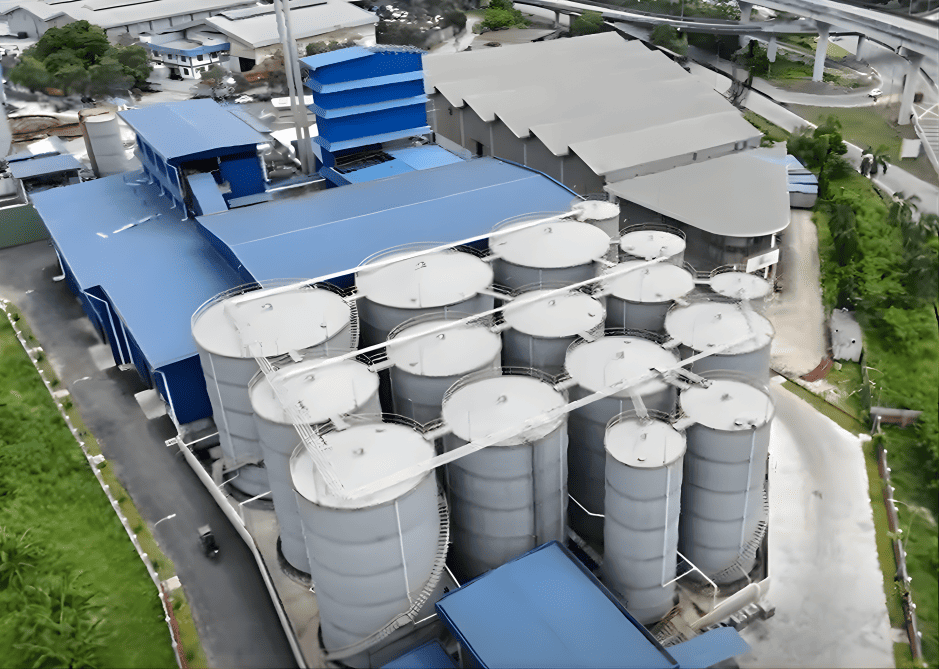
Discover why sustainable feedstocks are becoming essential in modern industries and how Gamalux leads the movement toward clean, responsible resource sourcing.
1. Understanding the Shift Toward Sustainable Feedstocks
As global industries evolve, the demand for cleaner, more responsible resource sourcing continues to grow. Sustainable feedstocks provide an alternative to conventional materials that often contribute to pollution and environmental degradation. This shift is driven by rising environmental awareness and the need for long-term ecological balance. Gamalux plays a key role in supporting this transformation with high-quality, renewable feedstock solutions.
2. How Renewable Feedstocks Benefit the Environment
The use of renewable feedstocks helps reduce carbon emissions, minimize waste, and promote the circular economy. By choosing materials that can be replenished naturally, industries lower their dependency on fossil-based resources. Gamalux ensures that all feedstocks are sourced responsibly, adhering to strict environmental guidelines.
3. Supporting Industries with High-Performance Alternatives
From biofuels to personal care products, sustainable feedstocks are becoming the preferred choice across multiple sectors. These alternatives perform just as efficiently—if not better—than traditional options. Gamalux supplies high-performance feedstocks designed to meet various industrial requirements while maintaining eco-friendly standards.
4. Gamalux’s Commitment to Eco-Responsible Solutions
At Gamalux, sustainability is more than a trend—it is a core value. The company integrates strict quality control, ethical sourcing, and environmental stewardship in every step. This commitment ensures that every product delivered supports greener industry practices worldwide.
5. How Companies Can Make the Sustainable Switch Today
Switching to renewable feedstocks is easier than many companies realize. By partnering with established suppliers like Gamalux, industries can transition smoothly into green alternatives without compromising quality. The shift not only benefits the environment but also enhances brand reputation and long-term operational stability.